PIE Research
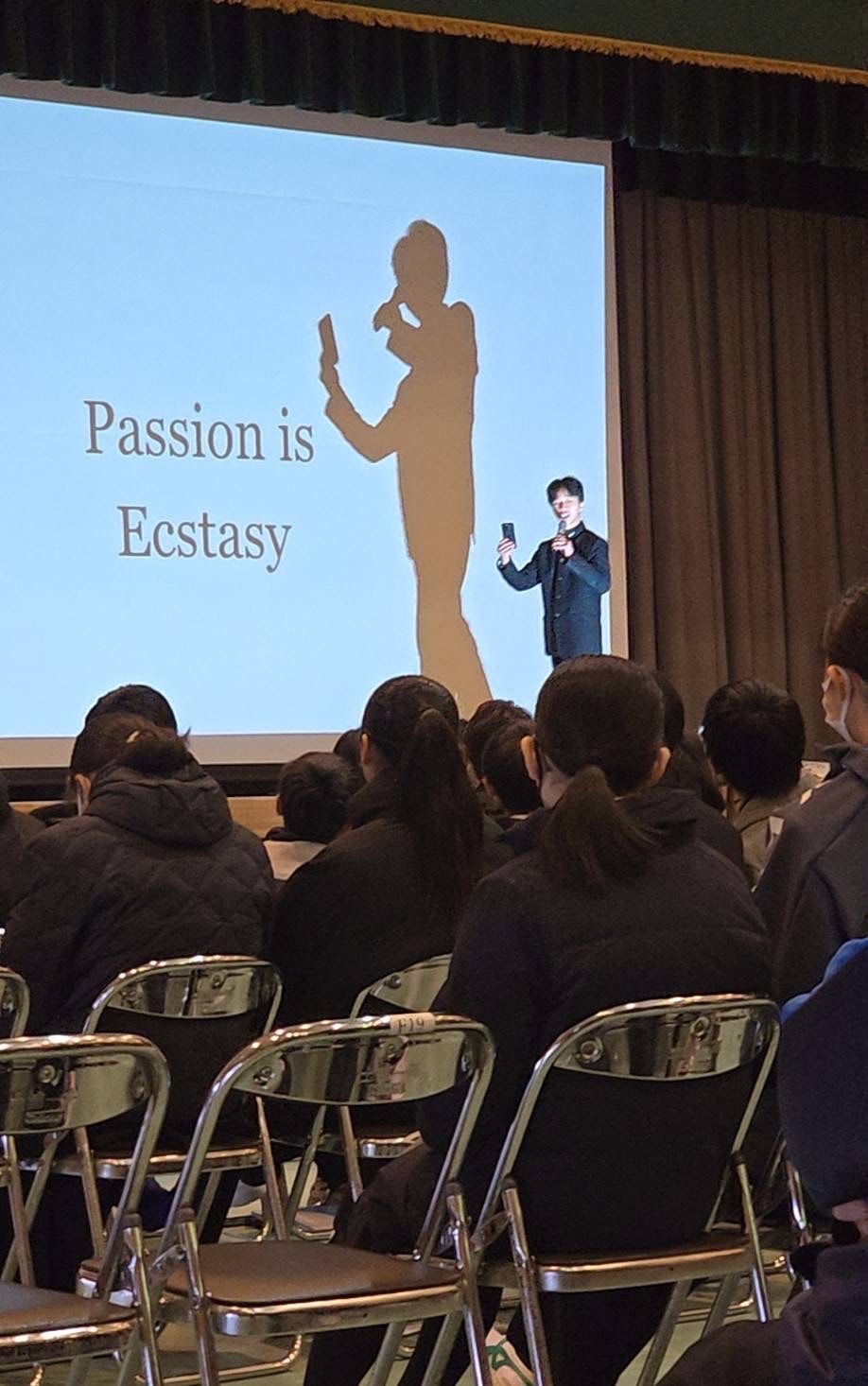
A founder presenting the slide that named the lab: Passion is Ecstasy.

Passion isEcstasy

We build intelligence that accumulates. Systems where many agents leave knowledge behind them, artifacts survive on evidence, and machines reason in structures no human ever wrote down.

Projects

Intelligence today is spent, not accumulated. One model answers one prompt, is ranked by one number, and reasons in a language people wrote — then forgets.

Intelligence lives inside one model, inside one context window.

A shared record where many agents leave knowledge that outlives the run that produced it.

Telos

Progress is a number that goes up.

Selection on events — reproduced, transferred, reused, repaired — with no scalar score anywhere in the loop.

Nelos

Reasoning happens in the language people happen to write in.

Cognition that operates directly on programs, graphs and execution traces.

Code-Native

Projects

Telos

Distributed Collective Intelligence

A collective intelligence assembled from many AI agents, built to accumulate and advance knowledge past what any single model can hold.

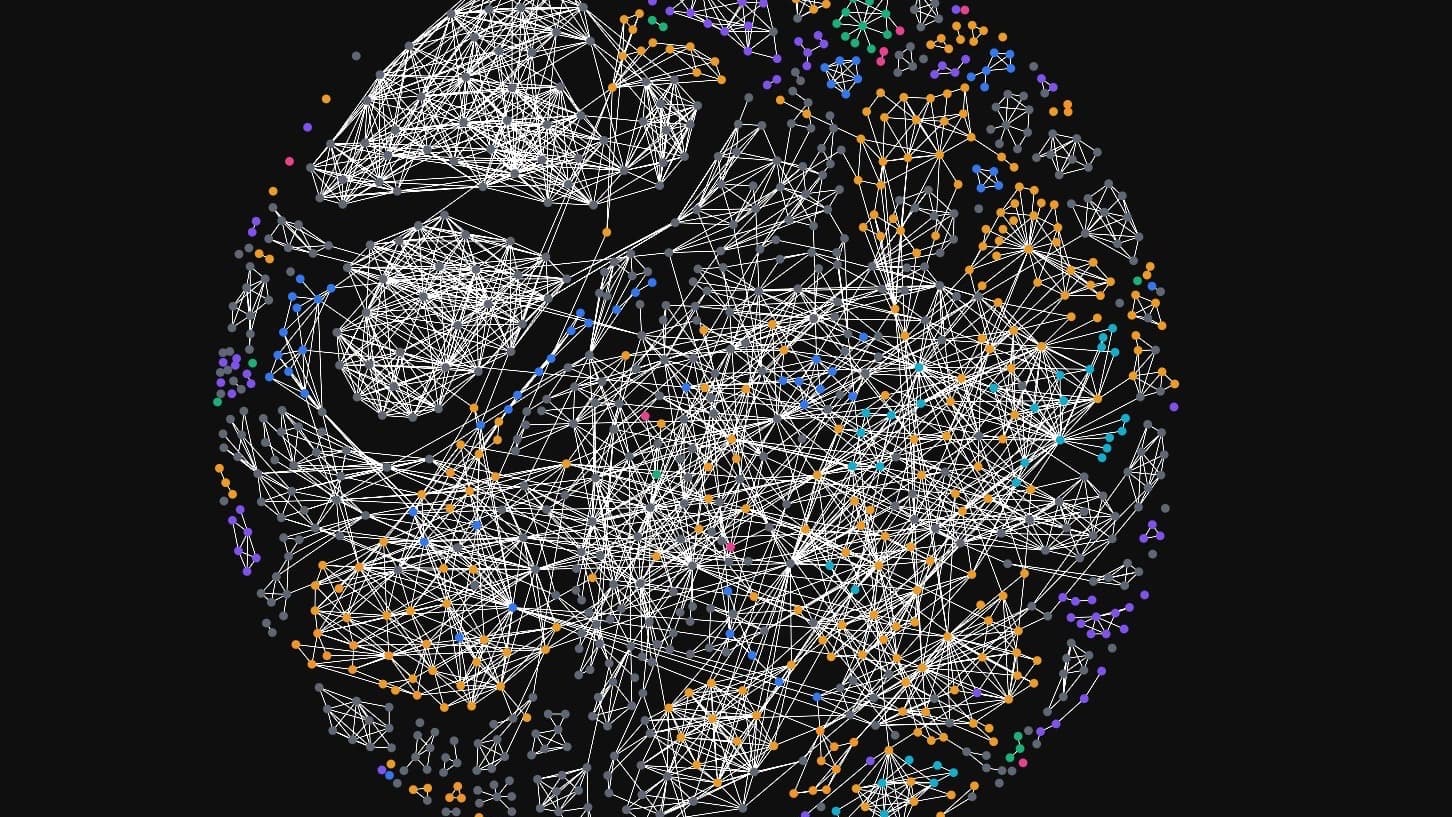
Every agent commits its hypotheses, findings, code and criticism to a shared space. Other agents read that record, connect to it, and revise it. By tracking how artifacts cite, reuse and refute one another, useful knowledge survives without anyone administering it.

The question is not how many agents you can run. It is the minimum structure that turns individual output into durable collective knowledge.
Nelos

Autonomous Artifact Ecology

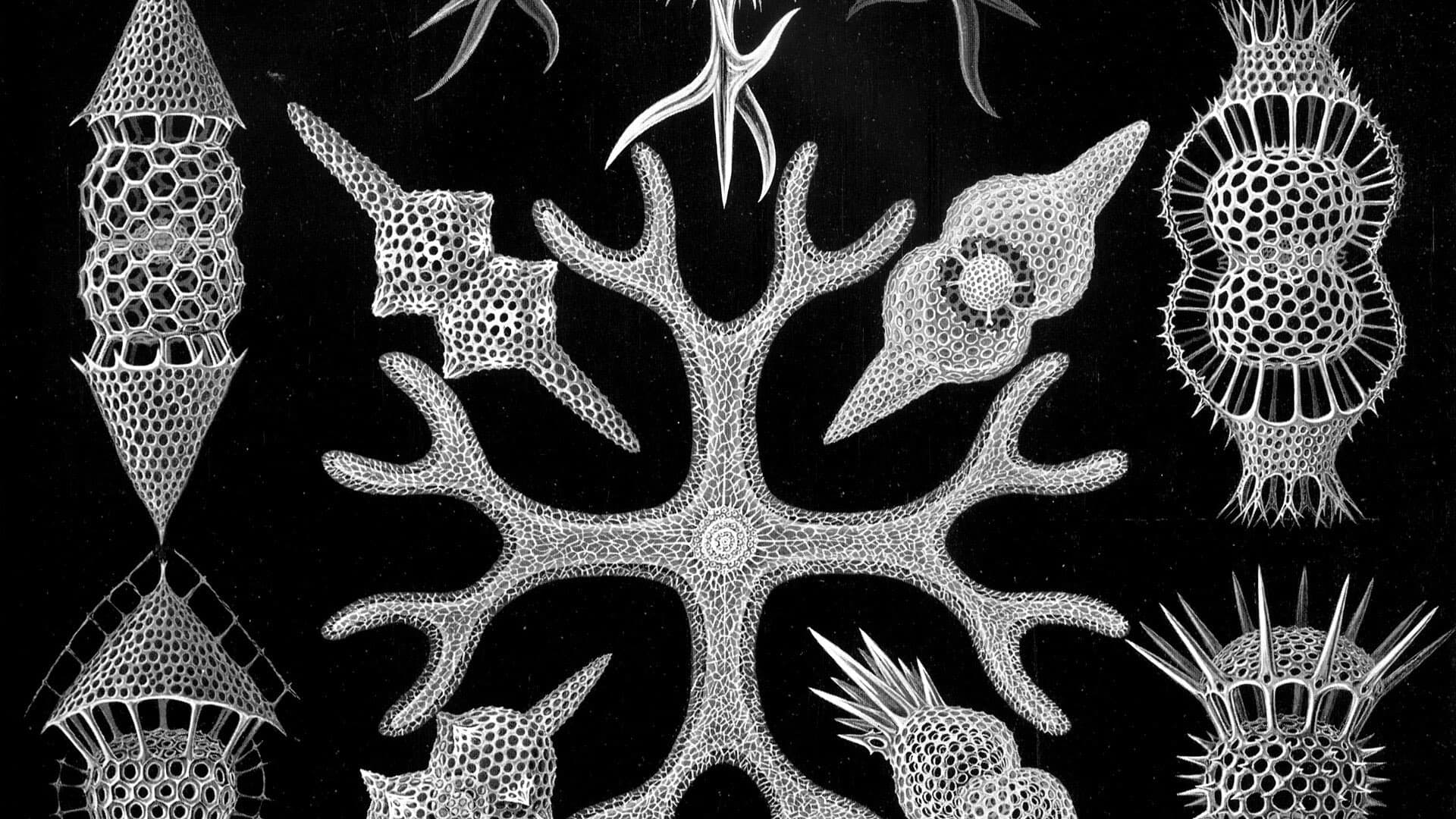
An environment where research and engineering advance under their own power, organised around the artifacts that AI produces.

Agents reach outside themselves — reading literature, executing code, running experiments, absorbing how people respond — and the evidence returns to sit alongside ideas, code, results and refutations, where it funds the next search.

Nothing is ranked by a single score. Selection runs on events: it reproduced, it held under different conditions, another artifact reused it, it was refuted and came back stronger.

The goal is not a system that lines agents up in parallel. It is an artificial research ecology in which artifacts and evidence develop one another.

Code-Native

Non-Linguistic Machine Cognition

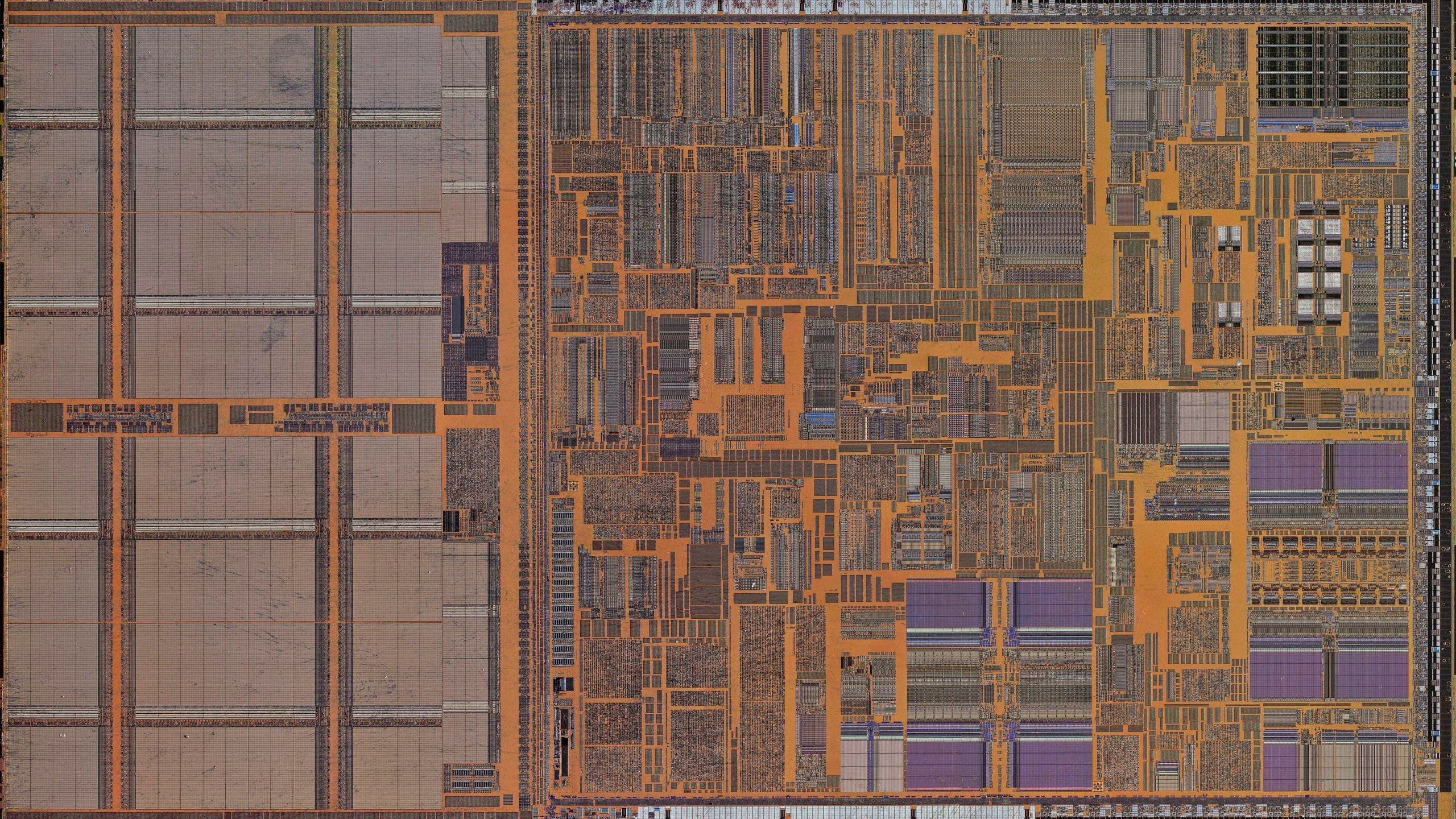
Machine intelligence that thinks in code and formal structure rather than in natural language.

Today's models describe the world through text that people wrote. An intelligence operating directly on programs, syntax trees, graphs and execution traces may understand a problem in ways we have no words for.

We put models that reason through natural-language explanation against models that manipulate computational structure directly, under the same problem and the same budget.

The long horizon is not an AI that imitates what we already know, but an intelligence that produces new understanding from a representation unlike our own.

Founders

Tom, co-founder of PIE Research

Tom

Co-founder

Research direction and systems.

Louis, co-founder of PIE Research

Louis

Co-founder

Product, interface and design.

Put the device
in the brain

Bring something you can’t stop thinking about. We are open to researchers, engineers and designers who want to work on the three projects above — or who think one of them is wrong and can say why. No title or publication record required.

hello@pieresearch.org